
At the pinnacle of fine watchmaking.Bvlgari and Piaget's ultra-thin tourbillon showdownThe two luxury watch brands are redefining the limits of the mechanical watch. 2025 is the year of the millimeter, the year of the ultimate competition between technology, art and innovation, so let's discover the details of this battle for the king of the ultra-thin.
Bvlgari's groundbreaking innovations
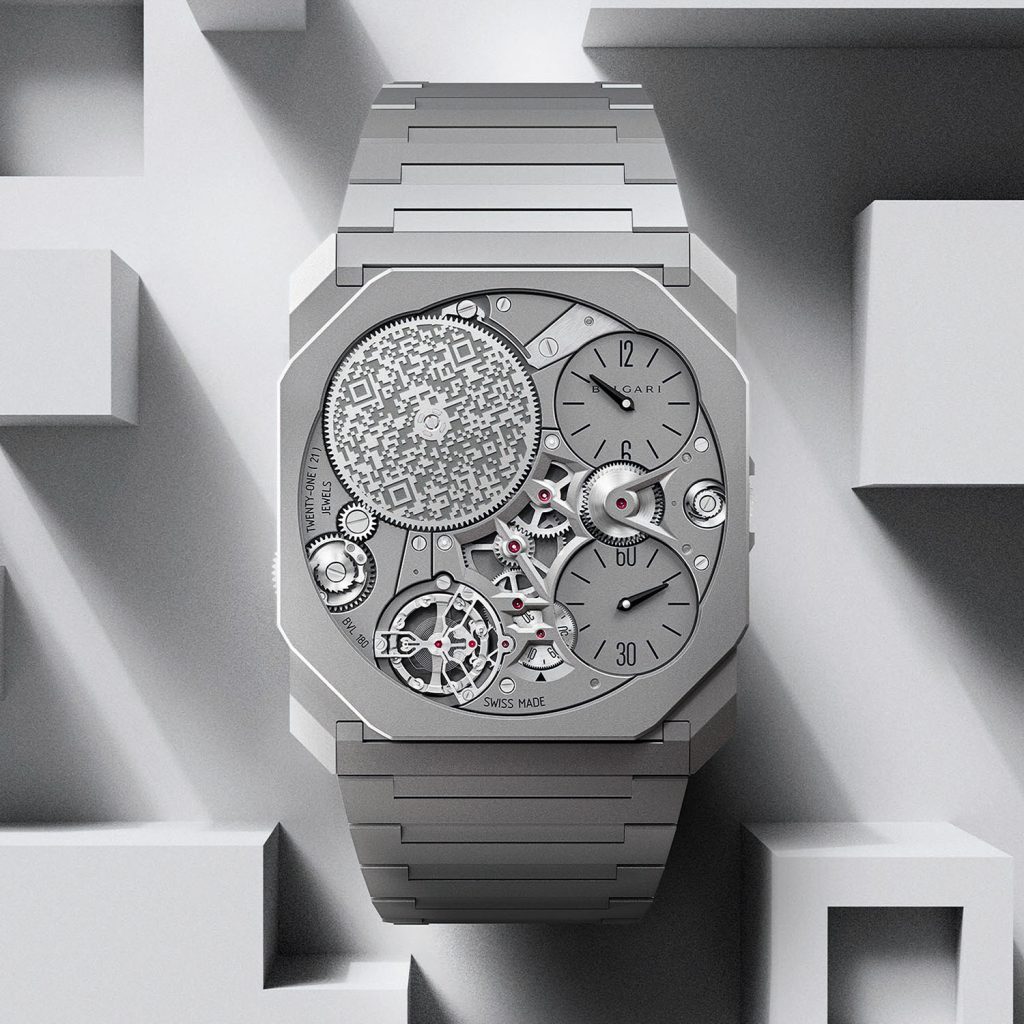
The Bulgari Octo Finissimo Ultra Tourbillon has set a new world record for an ultra-thin tourbillon watch with its astonishing 1.85 mm thickness. This masterpiece, code-named 104313, represents the pinnacle of watchmaking achievement, where the boundaries between case and movement are blurred and the groundbreaking integrated design optimizes each component to the utmost. The thickness of the tourbillon carriage has been compressed to an incredible scale, yet it still maintains its precision. The dial's multilayered construction ensures strength while minimizing thickness. The hands are also made in an unconventional way, a fraction of the thickness of traditional hands, yet still retaining outstanding rigidity. The sapphire crystal has been specially treated to ensure transparency and control the overall thickness. This all-encompassing technical innovation has allowed Bulgari to take the lead in this ultra-thin race, demonstrating the brand's technical prowess and courage to innovate in the field of Haute Horlogerie.
Piaget's technical perseverance and evolution
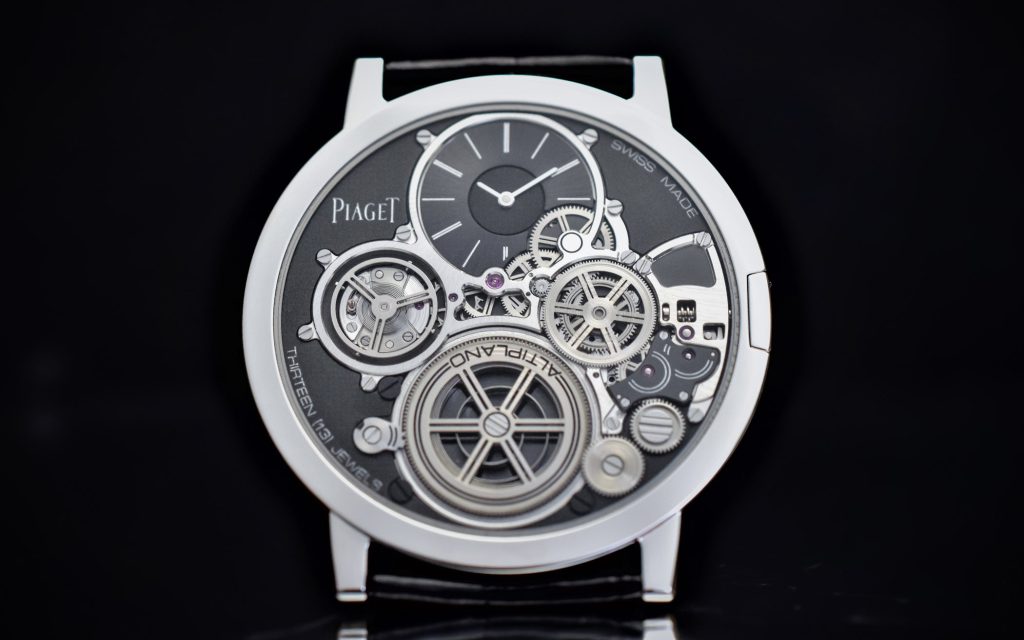
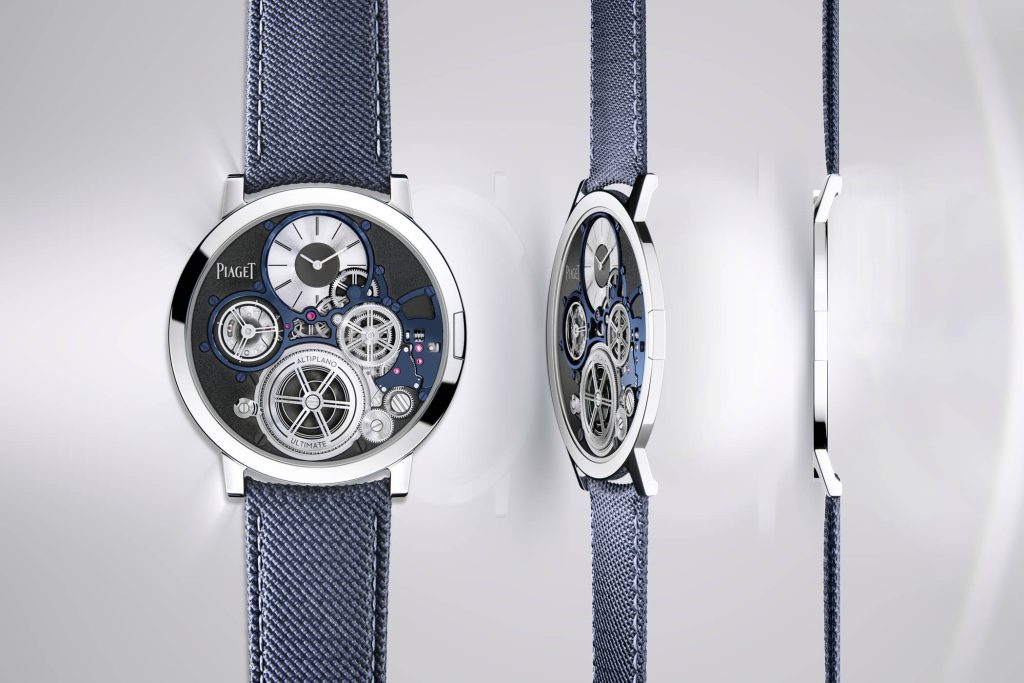
The Piaget Altiplano Ultimate Concept Tourbillon follows in its wake with a thickness of 2 millimeters. This masterpiece, powered by the 970PUC caliber, reflects Piaget's expertise in the field of ultra-thin watchmaking, and its diameter of 41.5 millimeters has been precisely calculated to maintain its elegant proportions while ensuring structural stability. The new khaki green color scheme demonstrates the brand's constant aesthetic exploration, as well as its keen awareness of market needs. Every part of the movement has been redesigned and optimized, from the thickness of the gears to the structure of the bearings. The tourbillon cage is crafted as an art, realizing a complex mechanical function in a very limited space. The integrated design of the case and movement reduces the increase in thickness associated with traditional assembly, an innovative idea that reflects Piaget's unique understanding of ultra-thin watchmaking. Although slightly less thick than Bulgari, Piaget's strengths in terms of movement stability and long-term reliability make it still an important force to be reckoned with in the field of ultra-thin watches.
In-depth analysis of technical difficulties
The creation of an ultra-thin tourbillon watch presents a number of technical challenges. The design of the power reserve system is particularly critical, as providing sufficient energy reserves in a limited space requires precise calculations and innovative material applications. The optimization of the gear train was equally important, with thinner gears requiring higher manufacturing precision and stronger material properties. Lubrication technology also needs to be redeveloped, and the performance of conventional lubricants in extremely thin spaces needs to be reassessed. Guaranteeing shock resistance is another technical challenge, with the ultra-thin structure's ability to withstand shocks requiring special reinforcement. Temperature variations have an even more pronounced impact on ultra-thin watches, and thermal expansion and contraction effects need to be fully taken into account throughout the design process. In addition, the commissioning and maintenance of an ultra-thin tourbillon also presents new technical requirements, requiring watchmakers to acquire special skills and equipment. The success in overcoming these technical difficulties one by one reflects the deep accumulation and innovation ability of the two brands in watchmaking technology.

Comparison of differences in design philosophies
Bulgari and Piaget show clear differences in their design philosophies for ultra-thin watches. Bulgari pursues extreme breakthroughs and innovations. The iconic octagonal design of the Octo Finissimo collection is reinterpreted in the field of ultra-thinness, with hard lines contrasting with its slim thickness. This design concept embodies the brand's spirit of daring to challenge tradition and push boundaries. Piaget, on the other hand, pays more attention to the balance between elegance and practicality. The classic round case of the Altiplano collection continues the brand's consistent elegance, pursuing thinness without forgetting the comfort of wearing it and the sense of visual harmony. Piaget's belief that a watch is first and foremost a carrier of time and secondly a display of technology is fully reflected in its product design. The two different design philosophies appeal to different consumer groups, with Bulgari being more suited to collectors in pursuit of extreme technology and avant-garde design, while Piaget is more suited to consumers who emphasize classic aesthetics and everyday wear.
Integrated assessment of market impacts
This ultra-thin duel had a profound impact on the entire fine watchmaking market. Technical breakthroughs set new standards for the entire industry and contributed to the overall advancement of watchmaking technology. Consumers' perception of ultra-thin watches was redefined, with millimeter differences becoming an important indicator of a brand's technical strength. The collector's market also reacted quite positively, with limited-production ultra-thin tourbillon watches becoming a popular choice for investment collections. The performance of the secondary market shows that such watches with significant technical breakthroughs tend to retain their value and increase in value. At the same time, this competition has also inspired other watch brands to innovate, and more and more of them have started to invest in the development of ultra-thin watches. In the long run, this kind of technological competition is beneficial to the development of the entire watchmaking industry, pushing the craft to new heights.
Frequently Asked Questions
Q: Does the 0.15mm difference in thickness really matter?
A: In the field of ultra-thin watches, 0.15mm represents a significant technological gap that requires a full range of technological breakthroughs to realize.
Q: How durable are ultra-thin watches?
A: Despite its extremely thin thickness, it still ensures sufficient durability through innovative materials and structural design, but requires more careful maintenance.
Q: Are these watches suitable for everyday wear?
A: It is more suitable for wearing on important occasions, and daily use requires special attention to avoid collision and strenuous exercise.
Q: Do ultra-thin watches cost more to maintain?
A: Yes, it requires more specialized maintenance techniques and more frequent maintenance, and the maintenance cost is relatively high.